Rabha Divas 2026: Life & Legacy of Kalaguru Bishnu Prasad Rabha
20th June
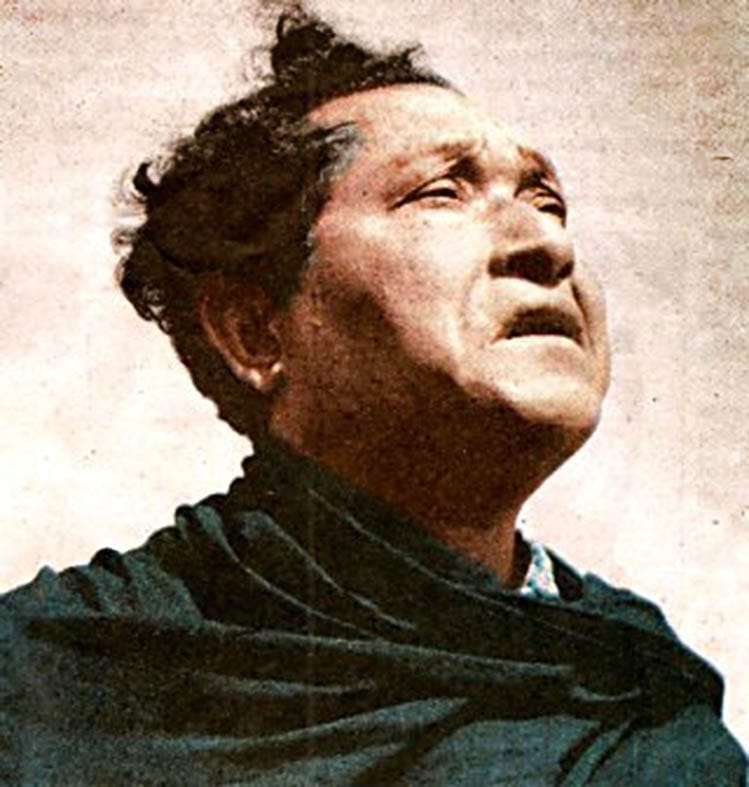
Every year on 20th June, Assam pauses to remember one of its most extraordinary sons, Bishnu Prasad Rabha, fondly known as Kalaguru, the “Master of Arts.” The day is observed as Rabha Divas, marking his death anniversary, and it has become a state-wide occasion to celebrate not just a man, but an entire philosophy of art, identity, and resistance.
Who Was Bishnu Prasad Rabha?
Bishnu Prasad Rabha was born on 31 January 1909 in Dhaka, in the undivided Bengal Presidency, and went on to become one of the most versatile cultural figures Assam has ever produced. He was a singer, dancer, poet, painter, actor, dramatist, and music composer, and on top of all that, a committed political revolutionary.
He passed away on 20th June 1969 in Tezpur, Assam, after a battle with cancer. Since then, the Assamese people have set aside this date each year to honour his memory.
How He Became “Kalaguru”
The title Kalaguru was not self-proclaimed; it was bestowed upon him by none other than Dr. Sarvepalli Radhakrishnan, after witnessing Rabha’s mesmerising performance of the Tandava, the cosmic dance of Lord Shiva, in Varanasi. Audiences and dance legends alike are said to have seen in him the very embodiment of Nataraja. From that day on, “Kalaguru” stuck as a fitting tribute to a man whose art seemed to flow from somewhere ancient and elemental.
Art as a Weapon, Not Just Expression
What sets Bishnu Rabha apart from many artists of his time is that he never saw culture as separate from struggle. He was a freedom fighter, aligned first with the Communist Party of India and later with the Revolutionary Communist Party of India (RCPI). For him, independence from British rule was only one half of the fight; the other half was social justice, an end to wage slavery, and the upliftment of the marginalized.
He composed roughly 137 songs, now compiled in the anthology Bishnu Prasad Rabha Rachana Sambhar and widely known as Rabha Sangeet compositions that blend love, nature, Assamese heritage, and revolutionary fervour into a single voice. He was also closely associated with the legendary Ban Theatre of Tezpur as an actor, director, and playwright, choosing to stay rooted in Assam and serve its people even when fame in Kolkata or Bombay beckoned.
His own words capture this fusion of art and activism perfectly: he called on people to let devotional music and classical song become the trumpet of their battle for change, a reminder that for Rabha, every note and every step was also a form of protest.
Why Rabha Divas Matters Today
Rabha Divas is more than a ceremonial remembrance; it’s a living tradition. Across Assam, the day is marked with:
- Floral tributes and homage at memorials, including the Bishnu Rabha Smriti Udyan in Tezpur, built on the banks of the Brahmaputra
- Rabha Sangeet and Rabha Nritya competitions give young artists a platform to carry their musical and dance traditions forward.
- Essay and drawing competitions in schools and colleges, introducing new generations to his life and ideals
- Cultural programmes and discussions organised by literary and arts bodies across districts
- The Kalaguru Bishnu Prasad Rabha Award, instituted by the Assam government to recognise individuals who carry forward his spirit of creativity and social commitment
A Legacy That Outlived the Man
It’s been over five decades since Bishnu Prasad Rabha’s passing, yet his presence is still deeply woven into Assamese cultural life in the songs sung at gatherings, in the theatre traditions he helped shape, and in the very idea that art and social conscience need not be separate pursuits.
On this Rabha Divas, as Assam once again sings his songs and remembers his Tandava, it’s worth reflecting on what made him so enduring: not just talent, but the conviction that creativity belongs to the people, and that an artist’s truest stage is the struggle for a more just world.